

wood rot repair overland park ks

(913) 634-6047

what our Neighbors
are saying

Neighborhood Trust
National Recognition

JRS PAINTING COMPANY

JRS PAINTING COMPANY/files/logo.jpg$$$(913) 634-604712022 Blue Valley Pkwy,
JRS PAINTING COMPANY/files/logo.jpg(913) 634-6047$$$12022 Blue Valley Pkwy, starstarstarstarstar 4.8 / 5 | 158 Total Reviews
recommended house painters in my area
exterior house painters in my area


Wood Rot Repair Overland Park KS


Leawood KS - Olathe KS - Lenexa KS - Shawnee KS


Wood Rot Repair and Painting

Are you searching for the best wood rot repair and exterior painting services in overland park ks? For two decades, Kansas City area businesses and homeowners have trusted JRS Painting Company for wood rot repair and exterior painting services done right. Our wood rot repair specialists have the proven expertise in the process of detecting, proper treatment or safe removal and of all exterior wood rot. Before painting your home it is imperative that all wood rot repairs be made by qualified wood rot repair contractors.

Wood Rot Replacement

Do you have wood rot on your home? You're not alone because the majority of Kansas City homes will require some amount of wood rot repair or replacement before we move forward with the exterior painting process. Although problematic wood rot areas may appear minor, it is important to find the source and totally eliminate it. You can trust our wood rot repair specialists and team members, who are highly experienced in all types of wood rot repair, dry rot repair, and new siding replacement.

Wood Rot Repair Services

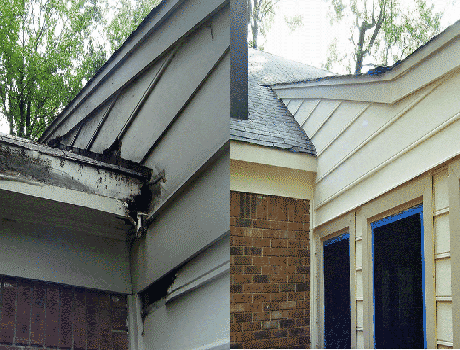
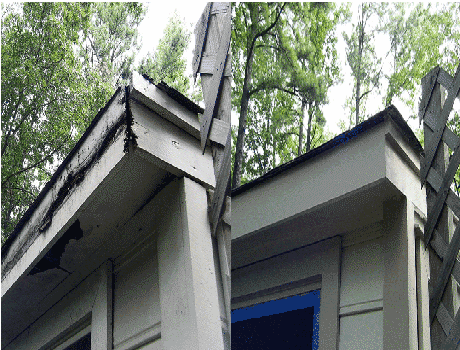
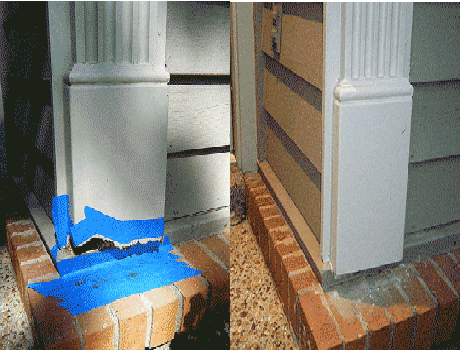
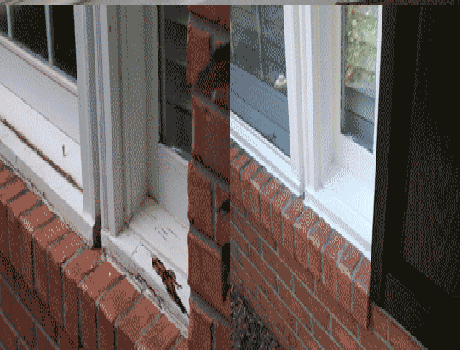
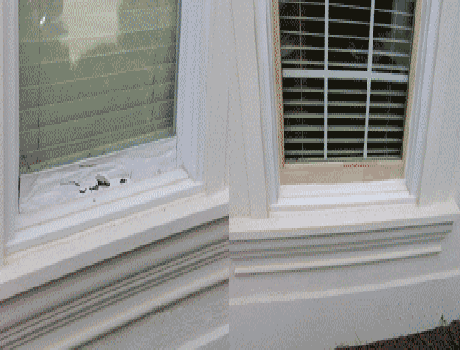
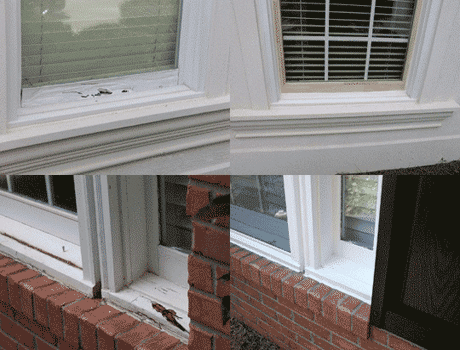
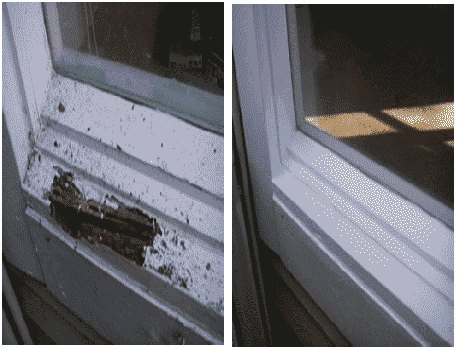
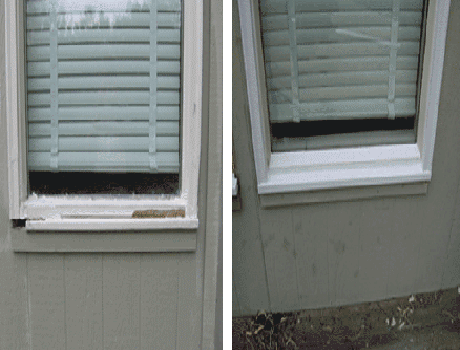
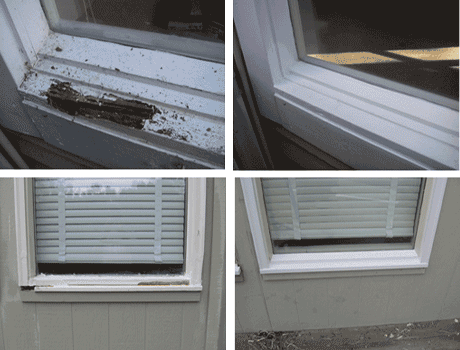
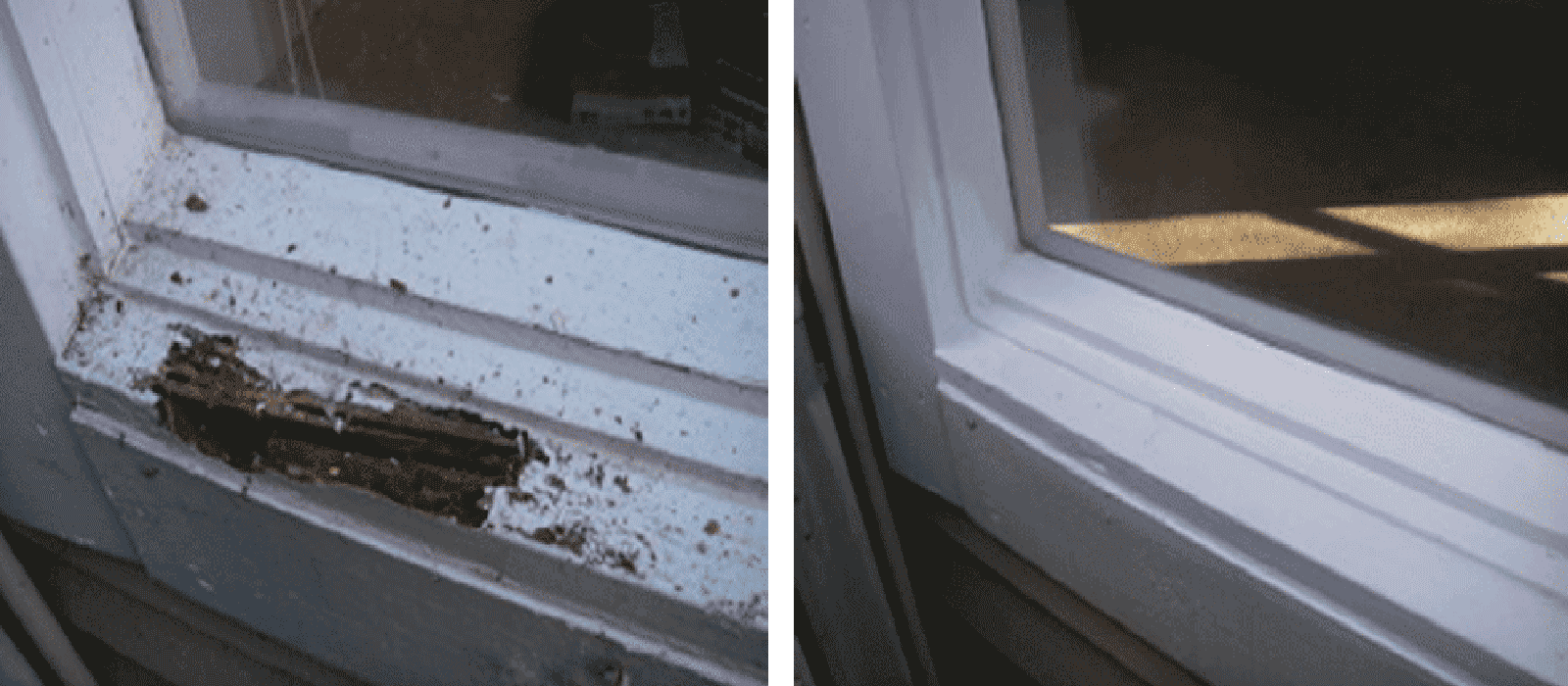
The most commonly visible areas of wood rot may include wood siding, fascia boards, soffits, batten boards, exterior trim, brick moulding, and wood window sills. Often, the full extent of the damage is not visible until work begins, as rotting wood may be hidden behind other building materials. Wood rot repairs may be needed almost anywhere on your Kansas City home exterior; however, we commonly find Masonite siding, trim boards and window areas to be the most affected.

Wood Rot Repair Company

If it has been too long between exterior paint jobs, you will likely notice fading caused by weather exposure and UV radiation. When unprotected wood surfaces are exposed to prolonged moisture or direct sunlight, deterioration can begin beneath the surface. Trim and siding naturally expand and contract with temperature changes, which can cause paint to crack, peel, or separate from the wood. When left unaddressed, this exposure can weaken structural components, making professional repair, proper surface preparation, and high-quality repainting essential to restoring durability and long-term protection.

Painting and Wood Rot Repair Estimate

Contact us and we will promptly follow up to schedule your painting consultation and complimentary on-site inspection of your home or commercial property. During your consultation, you'll meet the owner directly, ensuring experienced insight and personal accountability for your project. We will review your project in detail, discuss your vision, and answer any questions you may have.


let's get started today!

how much house painting cost


Wood Rot Repair - A Kansas City Homeowner's Guide

Owning a home in Kansas City means dealing with humid summers, heavy rains, freezing winters, and everything in between. While these seasonal changes are part of the region's charm, they also create the perfect environment for one of the most common and costly exterior problems: wood rot. This guide is written for homeowners who want a clear and practical understanding of wood rot — what it is, why it happens, how to recognize it, and what to do before it causes serious structural damage.

Understanding Wood Rot: The Basics

Wood rot is not simply "old wood going bad." It is a biological process caused by fungi that digest components of wood when moisture is present. These fungi break down the structural fibers that give wood its strength. Without intervention, wood rot weakens trim, siding, window frames, decks, and even structural framing. The most important fact about wood rot is simple: water is required for wood rot to begin and continue. No moisture, no rot.

Wood rot fungi need moisture (typically wood moisture content above 20%), oxygen, a food source (wood), and moderate temperatures. In Kansas City's climate, these conditions frequently occur around leaking gutters, poorly sealed windows, uncaulked siding joints, deck boards exposed to standing water, and areas where paint has failed. The single most effective strategy for preventing and stopping wood rot is identifying and eliminating the moisture source.

The Main Types of Wood Rot

While homeowners often hear the term "dry rot," there are actually several types of wood decay. Understanding the differences helps determine the correct repair approach. Brown rot is one of the most common and destructive forms of wood decay, typically appearing as darkened wood with cube-like cracking patterns. The wood becomes dry, brittle, crumbly, and may shrink or crack as the fungi break down cellulose and weaken structural fibers. White rot affects both hardwoods and softwoods and often appears lighter in color with a spongy or fibrous texture and a stringy appearance when pulled apart.

Dry rot is caused by the fungus Serpula lacrymans, spreads aggressively in dark, humid environments and can even travel across masonry, though it still requires moisture to begin. Cellar rot, often referred to as wet rot, is commonly found in consistently damp wood such as floor joist ends, basement sill plates, skirting boards, or areas where wood touches masonry. Unlike dry rot, it usually remains localized but can still cause significant damage if ignored.

Why Kansas City Homes Are Vulnerable

Homes in Kansas City face environmental factors that increase wood rot risk, including high summer humidity, freeze-thaw cycles that crack paint and caulking, heavy spring storms, ice dams in winter, and constant expansion and contraction of wood trim. Older homes are especially vulnerable due to aging paint systems, failing caulk joints, outdated flashing, and poor ventilation.

Repair vs. Replacement

Whether wood should be repaired or replaced depends on severity. Repair may be appropriate when damage is localized, structural integrity remains intact, less than 5–10% of the board is compromised, and the moisture source has been eliminated. Replacement is best when structural members are compromised, rot extends deep into framing, multiple connected areas are affected, or moisture problems have existed for years.

Early Warning Signs Homeowners Should Not Ignore

Common warning signs include peeling or bubbling paint, soft spots when pressing on trim, discoloration around joints, cracked or splitting wood, musty smells in basements, loose boards, and visible fungal growth. If a screwdriver easily sinks into the wood, decay is likely present.

The Most Important Step: Fix the Moisture Source

No repair will last if water intrusion continues. Common moisture sources include leaking gutters, clogged downspouts, improper roof flashing, poor grading around the foundation, failed window caulking, and inadequate ventilation.

Preventing Wood Rot

Homeowners can reduce risk by inspecting exterior trim annually, repainting every 5–10 years depending on exposure, re-caulking windows and joints as needed, keeping gutters clean, ensuring proper drainage away from the foundation, maintaining attic and crawlspace ventilation, and avoiding wood-to-soil contact.

Conclusion: Protecting Your Investment

Wood rot is not just a cosmetic issue — it is a structural threat that begins quietly and spreads when moisture goes unchecked. In Kansas City's climate, proactive inspection and maintenance are essential. The key principles are simple: water causes rot, eliminate the moisture source, repair early before structural damage occurs, and maintain protective coatings and drainage systems. Early action is always less expensive than major reconstruction, and vigilance is your strongest tool when protecting your home.